The first few weeks in Japan are a strange mix of feelings. You're thrilled to finally be here, but also a little on edge: everything is new, people speak fast, and you have no idea where to start. That's completely normal. The good news is that three cities—Tokyo, Osaka, and Kyoto—are the friendliest possible introduction to Japan's many faces, and exploring them is about far more than photos.
Think of it as part of settling in. Every time you ride a train, order food, or ask for directions, you're practising the language and reading the culture first-hand. That sticks far faster than anything you memorise from a textbook.
Tokyo: Modern and Traditional in One City
Tokyo is huge, but don't let it overwhelm you—start with a few iconic anchors. Asakusa, home to Senso-ji Temple, gives you the traditional side: a giant red gate, snack stalls lining Nakamise, and the atmosphere of old Tokyo. Then swing over to the modern side.
- Shibuya, with the most famous pedestrian crossing in the world, is perfect for feeling the city's pulse
- Harajuku, the colourful heart of youth fashion and hangout culture
- Ueno Park, a calm green oasis that turns into a sea of pink during cherry-blossom season
A practical tip: buy an IC card (Suica or Pasmo) on day one. That single card makes trains and buses effortless, with no fumbling for individual tickets.
Osaka: Street-Food Heaven
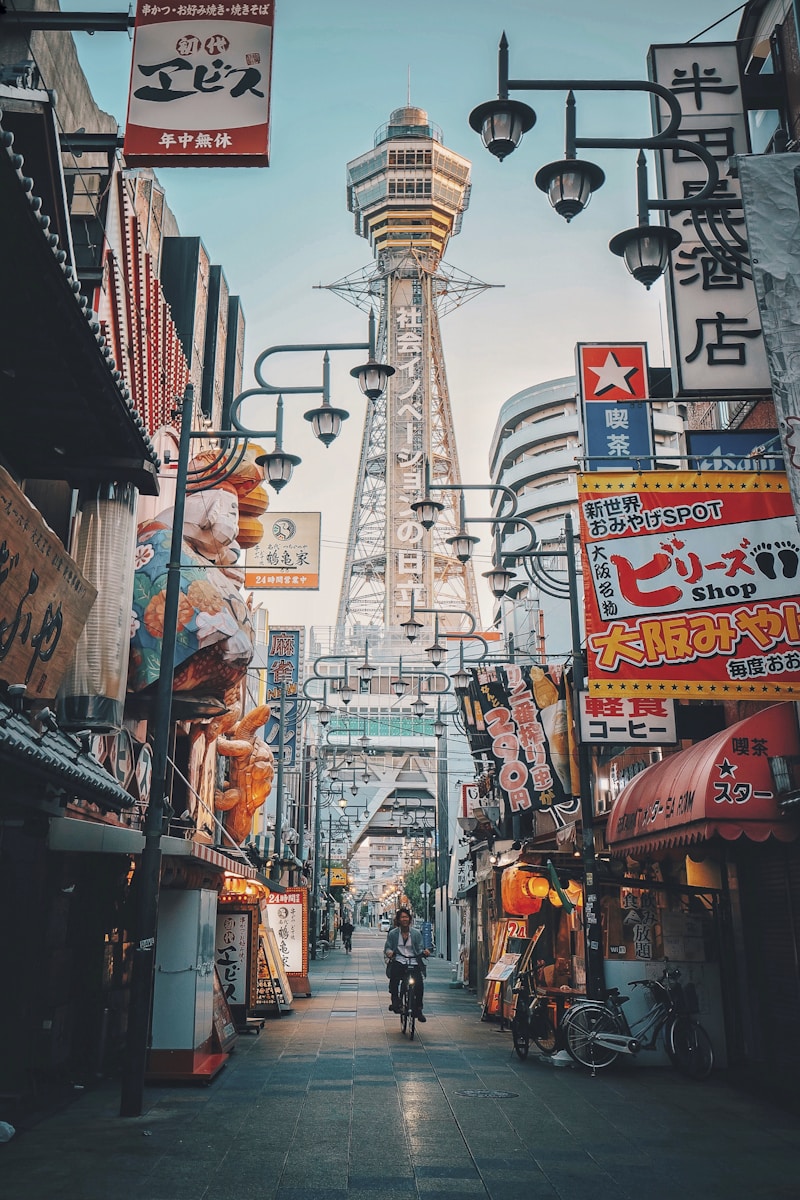
If Tokyo feels formal, Osaka is far more relaxed and warm. The locals are friendly, love a joke, and the food—honestly—is addictive. The heart of it all is Dotonbori, a district lit up at night by walls of glowing neon signs.
This is where you have to try Osaka staples like takoyaki and okonomiyaki straight from the stall. Prices are gentle, portions are filling, and it's the most enjoyable way to practise ordering in simple Japanese. For a student watching the budget, Osaka is living proof that eating well doesn't have to be expensive.
Osaka teaches you something important: Japan isn't always stiff—there's a side that's warm, easygoing, and quick to make you feel welcome.
Kyoto: Walking Through History
A short shinkansen ride from Osaka brings you to Kyoto, the former capital that holds Japan's classic face. It's the ideal city for a slower, more reflective day.
- Fushimi Inari, with thousands of vermilion torii gates winding up the hillside
- Kinkaku-ji, a gold-leaf pavilion mirrored in its pond—one of Japan's most iconic sights
- Gion, the historic district of stone-paved lanes where you might glimpse a geiko or maiko
Go early if you can, especially to Fushimi Inari. It's quieter, the morning light is lovely, and you can soak in the atmosphere without the crowds.
Exploring While You Adjust
Here's what to keep in mind: these trips aren't just holidays. Each city teaches you something different about living in Japan—the discipline of Tokyo, the warmth of Osaka, the reverence for tradition in Kyoto.
- Carry enough cash; many small places still don't take cards
- Mind the small courtesies: don't eat while walking, take your rubbish with you, and keep quiet on trains
- Lean on map and train-timetable apps—Japanese transport runs remarkably on time
- Keep a few basic words handy, like "sumimasen" (excuse me) and "arigatou" (thank you)
Slowly, places that once felt foreign start to feel like home. And that's the real sign that you've begun to live in Japan, not merely visit it.
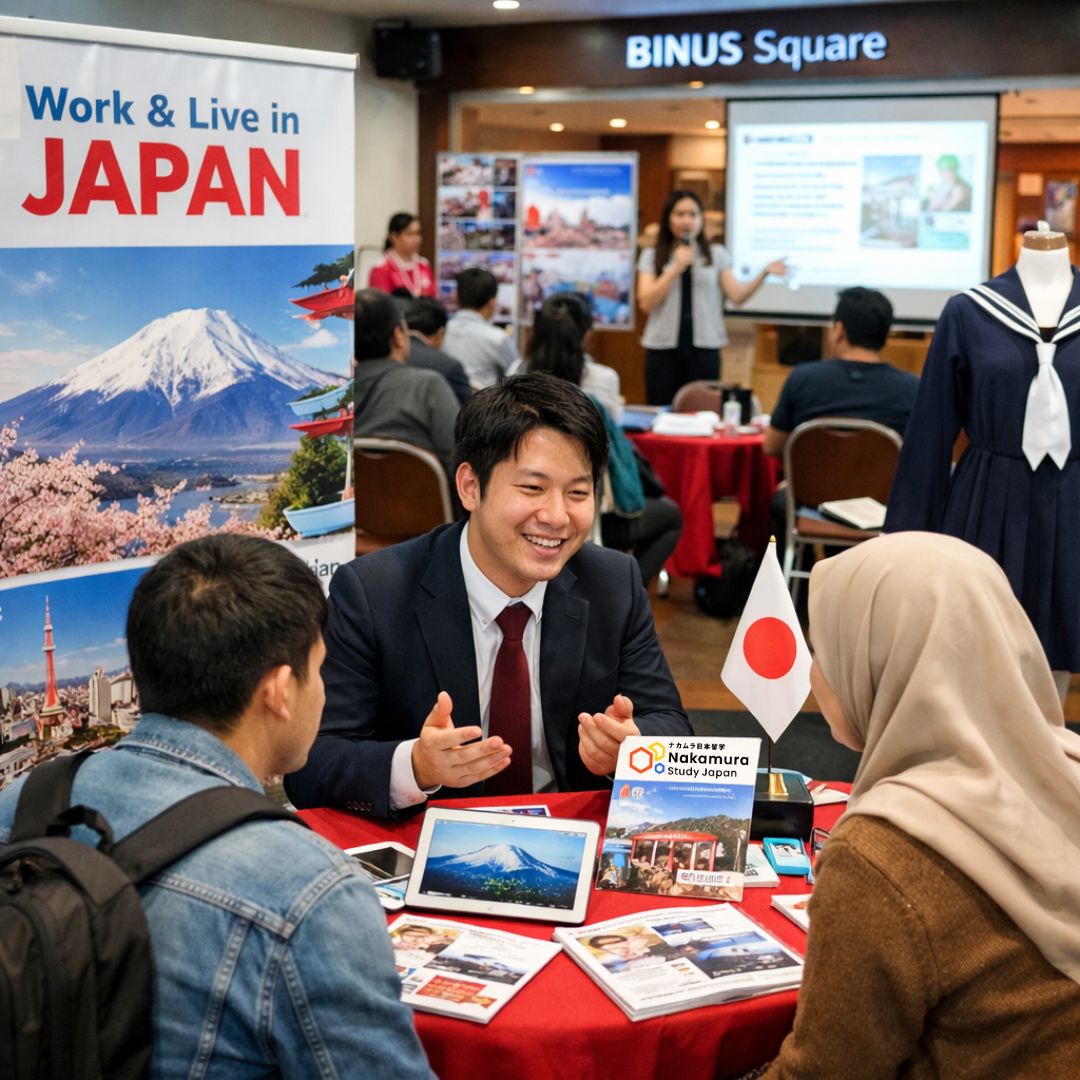
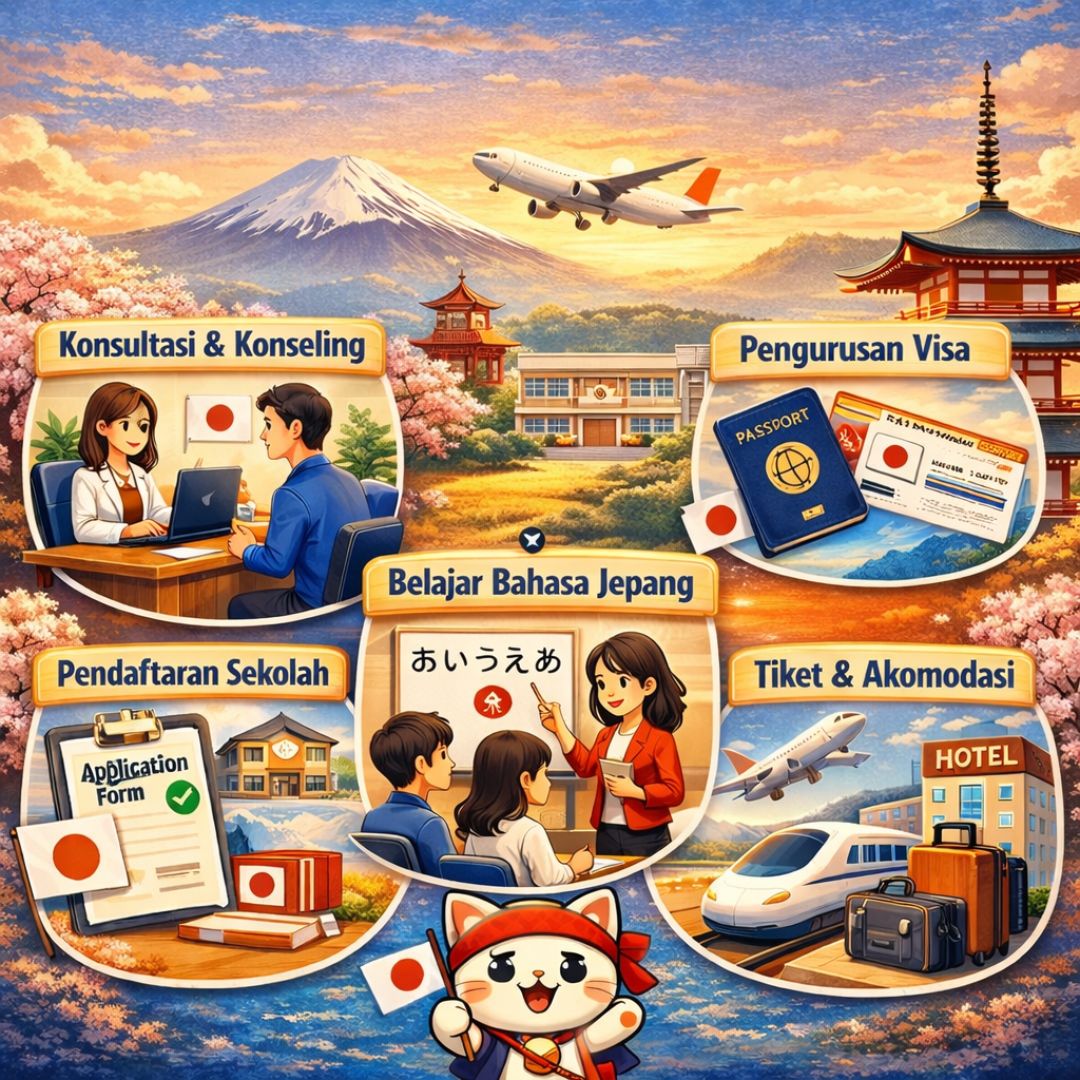
If you're planning your own study or work journey and wondering which city best fits your goals, have a chat with the Nakamura Study Japan team. We're happy to help you see the bigger picture—from everyday life to the practical steps—so you can set off with a lot more confidence.